The Right Order for a Whole-House Renovation: Why the Roof Comes Before Tile and Paint
Roof and exterior first, systems second, finishes last: the sequence that keeps you from paying twice
When homeowners in Hollywood decide to renovate, it rarely stops at one project. The kitchen leads to the floors, the floors lead to paint, and somewhere in the conversation someone mentions that the roof is getting old. The question isn't whether to do it all, it's what order to do it in.
Get the sequence right and every trade builds on finished work. Get it wrong and you pay to repair brand-new finishes.
Start at the Top: Roof and Building Envelope
Experienced renovators work from the outside in and from the top down. The roof, flashing, gutters, and any exterior wall or window repairs come first, because they keep water out of everything else.
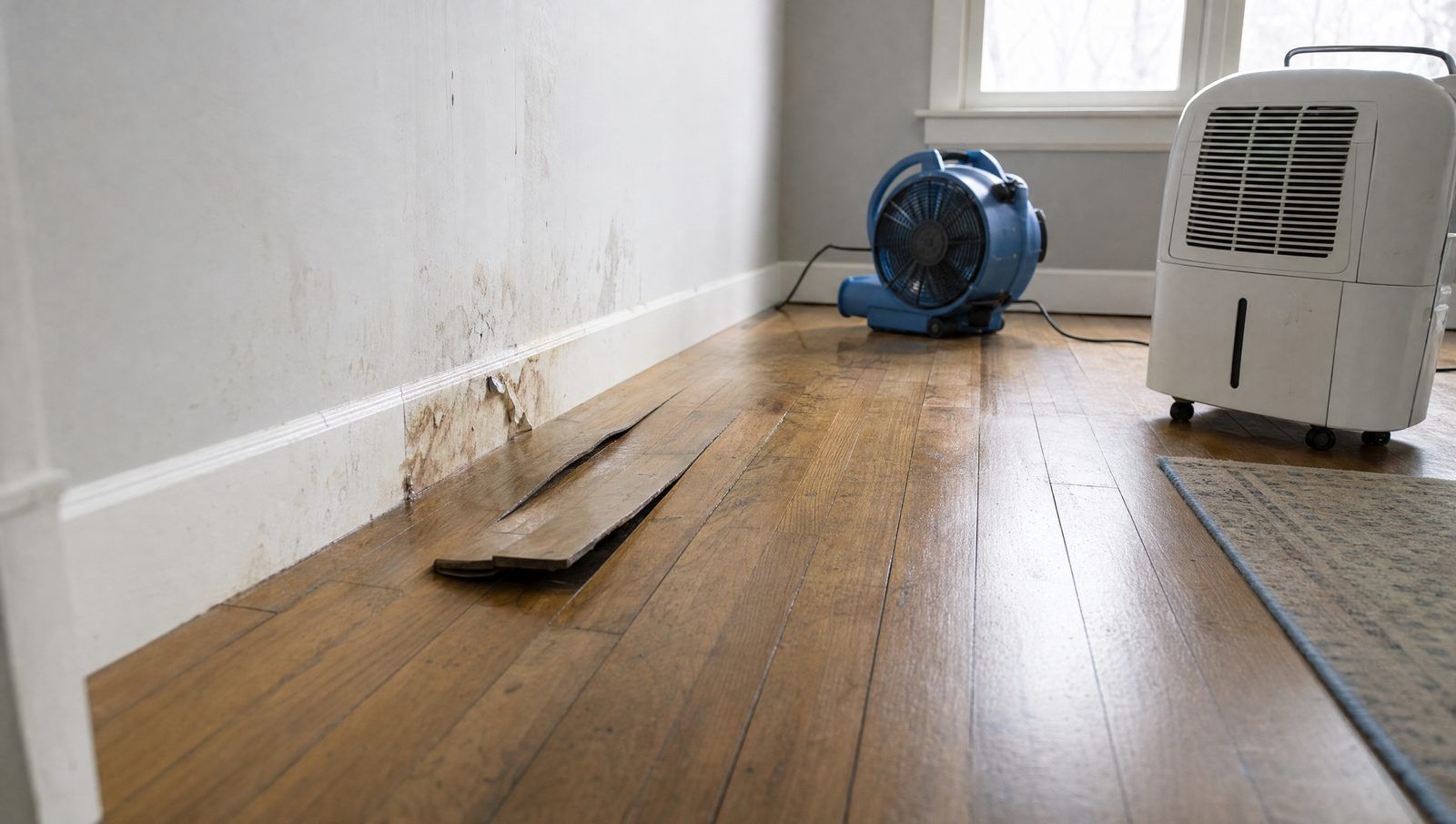
There's a practical reason too. Roof work often uncovers hidden problems, like soft decking, an old leak that's been staining the inside of a wall, or wet attic insulation. You want to find those before new drywall and paint go up, not after.
Windows and exterior doors belong in this first phase as well. In Hollywood, that usually means impact-rated products, and swapping them out after new interior trim and paint is finished means patching and repainting around every opening.
Then the Systems Behind the Walls
With the house dry, the next phase is everything you won't see when the job is done: electrical upgrades, plumbing changes, HVAC and ductwork, and insulation. This is the messy stage where walls and ceilings get opened up.
If you're thinking about a new AC system, an electrical panel upgrade, or moving a bathroom, plan it now. Opening a finished wall later costs far more than doing it while everything is exposed.
How Good Renovation Contractors Sequence the Work
Contractors who do whole-house renovations for a living think about this order on every job, whether they're working on a Florida ranch house or a century-old rowhouse. Look at a firm like Theo's Home Improvement in Brooklyn, where older homes make sequencing even more important, and you'll see the same logic: protect the structure, update the systems, then finish.
When you interview contractors, ask them to walk you through their schedule. A good one will tell you which trades come in when, where the inspections fall, and what happens if something unexpected turns up behind a wall. If the answer is vague, keep looking.
Finishes Come Last: Tile, Floors, and Paint
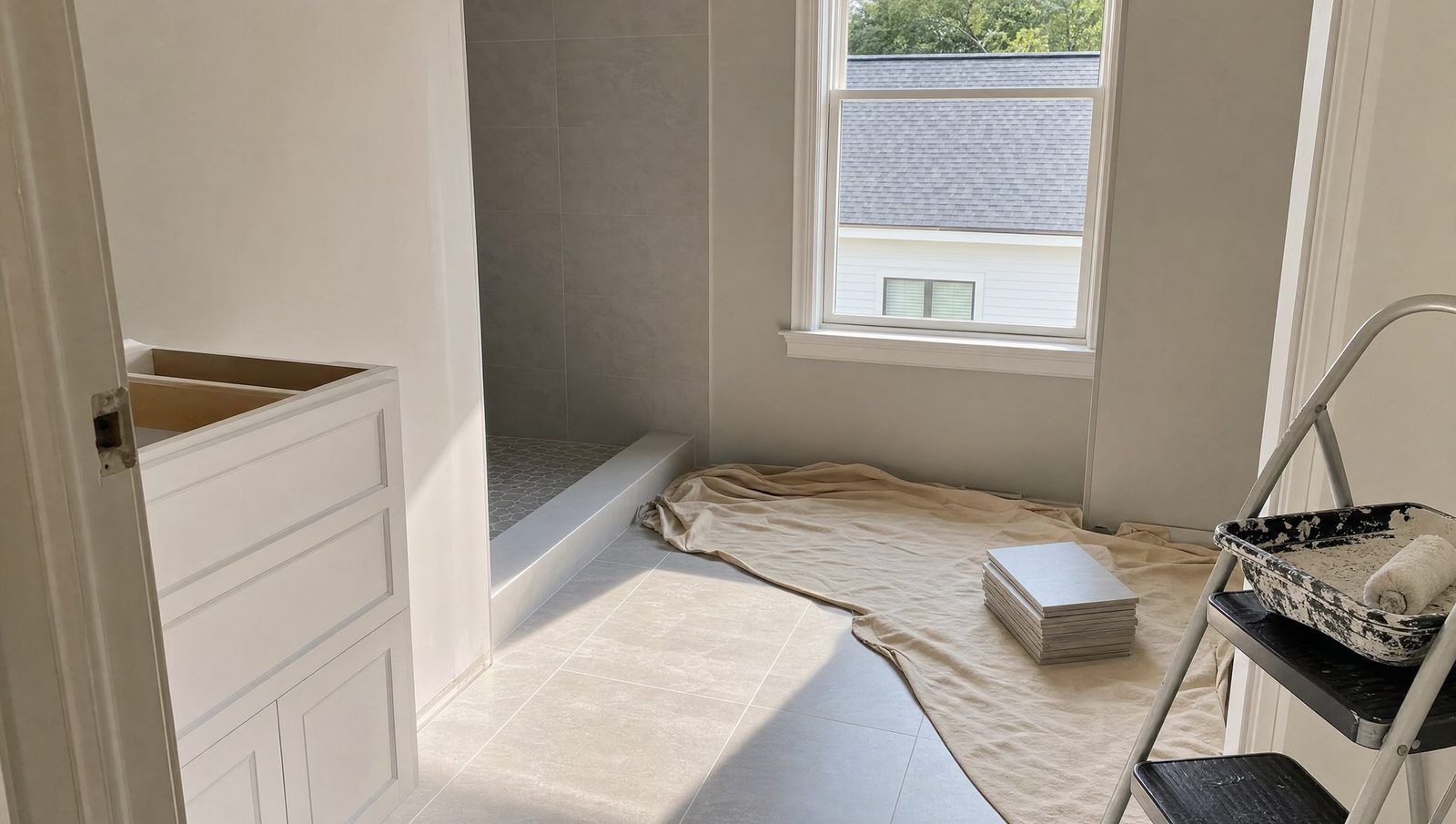
Only once the roof is sound and the systems are in should the finish work begin. Drywall and ceiling repairs come first, followed by tile in kitchens and bathrooms, then flooring throughout. Cabinets and countertops go in next, and paint and trim come last.
Paint goes last for a reason. Every other trade bumps a wall at some point, and it's much easier to paint once than to touch up scuffs from three different crews.
Leave a small cushion in the budget for this stage, too. By the time a project reaches finishes, most homeowners have made a few upgrades along the way, and it's the paint and trim that get squeezed if the money runs short.
Planning Your Renovation Around the Roof
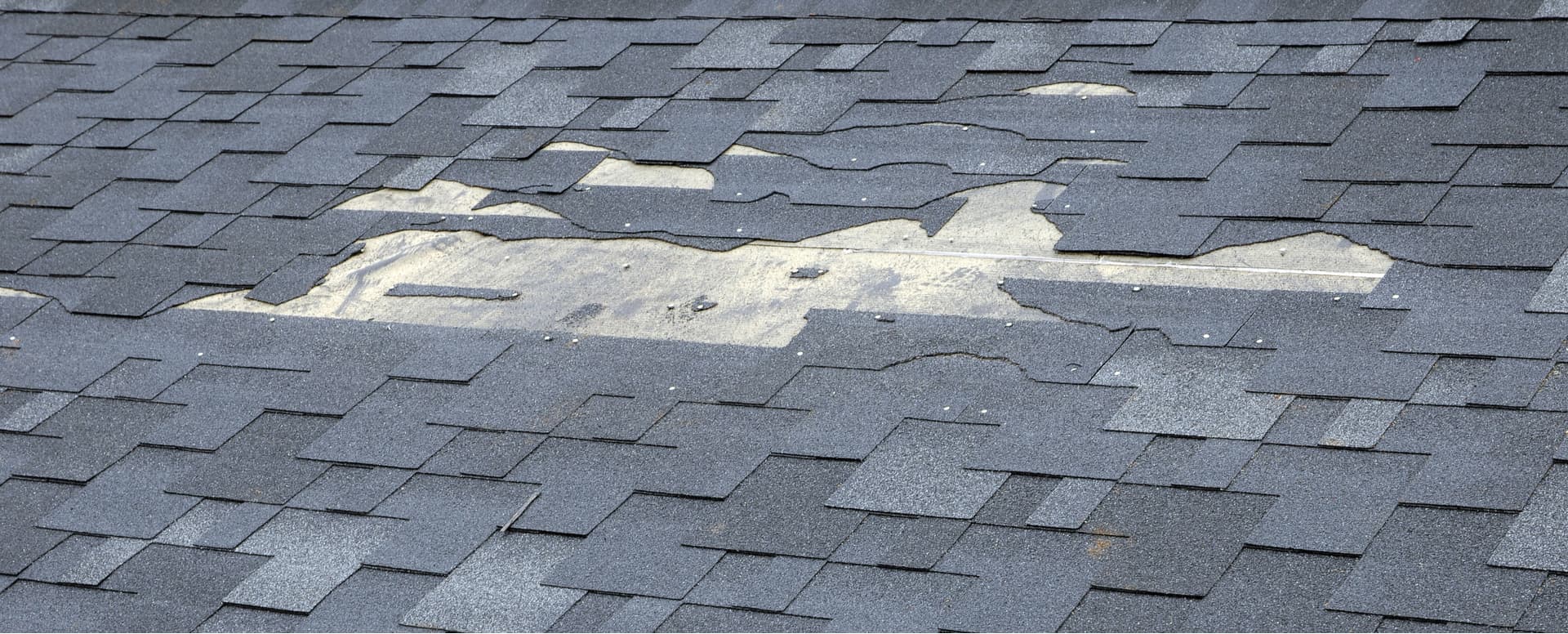
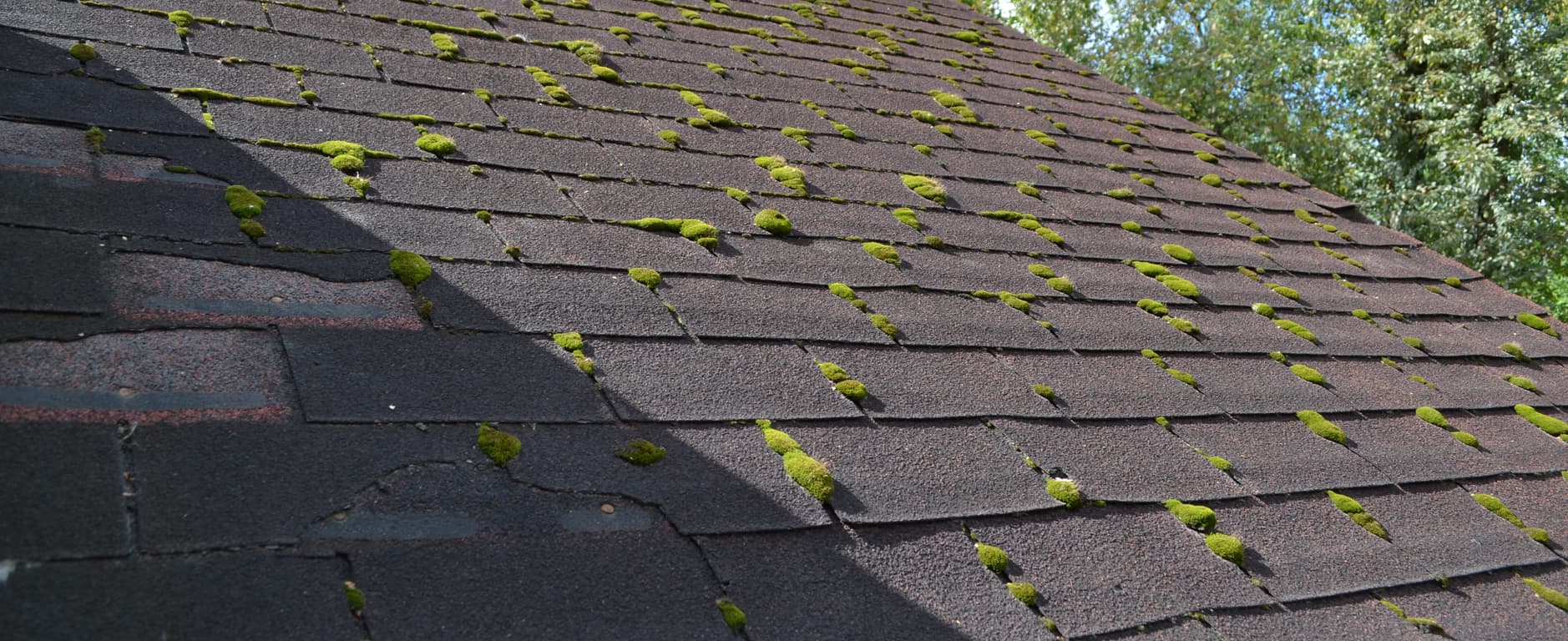
If your roof is within a few years of the end of its life, it makes sense to replace it before a major interior renovation, even if it isn't leaking yet. A new roof protects the money you're about to spend inside and saves you from a stressful repair right after the renovation is finished.
It also simplifies insurance and resale. A new roof with a fresh permit on file is one of the first things buyers and insurers ask about in South Florida, and it pairs nicely with a renovated interior when it's time to list the home.
If you're planning a renovation in Hollywood and want to know where your roof stands first, we're happy to take a look and give you an honest timeline.