Your Attic Is Cooking Your AC: What Hollywood Roofs Do to Cooling Bills
A 140-degree attic makes your AC fight for every degree — here's the roofing half of the fix (and the mechanical half)
Here's a number that surprises most Hollywood homeowners: on a 90-degree afternoon, the air in your attic can hit 130–140 degrees. Every duct that runs through that space — and every rooftop AC unit sitting above it — fights that heat all day long, and you pay for the fight on your electric bill.
The Roof Is Where the Battle Starts
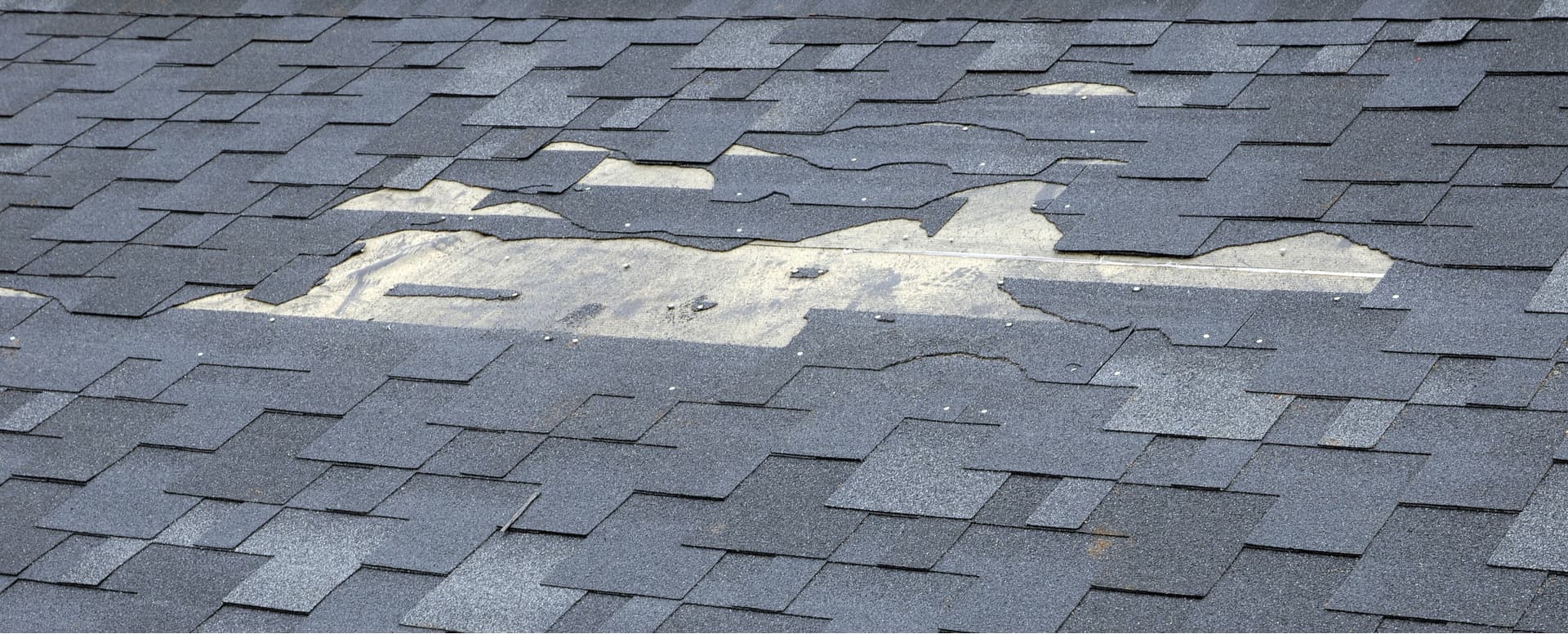
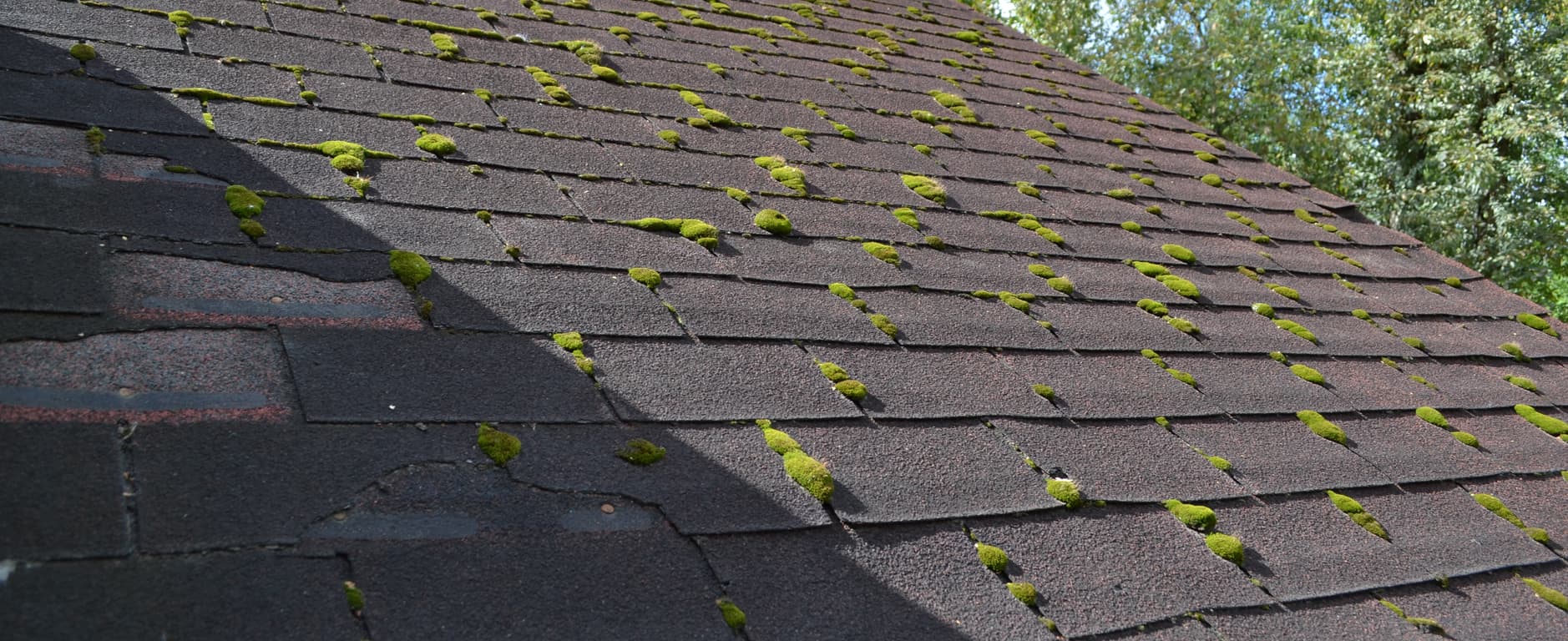
Dark, aging shingles absorb heat. Blocked soffit vents trap it. An under-ventilated attic turns into a heat battery that keeps radiating into your living space long after sunset. If your AC seems to run non-stop after 4pm, the roof deck above it is very often the reason — not the equipment.
There are two halves to fixing it, and they belong to two different trades.
The Roofing Half (Our Side)
- Balanced ventilation. Intake at the soffits, exhaust at the ridge. Most attic-heat problems we find are really airflow problems — vents blocked by insulation, painted-over soffits, or exhaust with no intake to feed it.
- Radiant barriers. A reflective layer under the deck can knock serious degrees off peak attic temperature for relatively little money.
- Lighter, reflective roofing materials. When it's time to reroof, color and coating choices matter more here than almost anywhere in the country.
We check ventilation on every inspection, because a cooler attic isn't just an energy play — heat cooks a roof from below just like it cooks your ducts, and good airflow adds years to shingle life.
The Mechanical Half
The equipment itself needs attention to survive this climate. Refrigerant levels, coil cleaning, duct sealing and condensate lines all drift out of spec faster in hot, humid attics than anywhere else in the house. Scheduling regular HVAC maintenance is the cheapest insurance you can buy against a mid-August failure — and a well-maintained system in a well-ventilated attic can use noticeably less energy than the same equipment cooking in a sealed one. The two halves multiply each other.
A Storm-Season Note for Rooftop Units
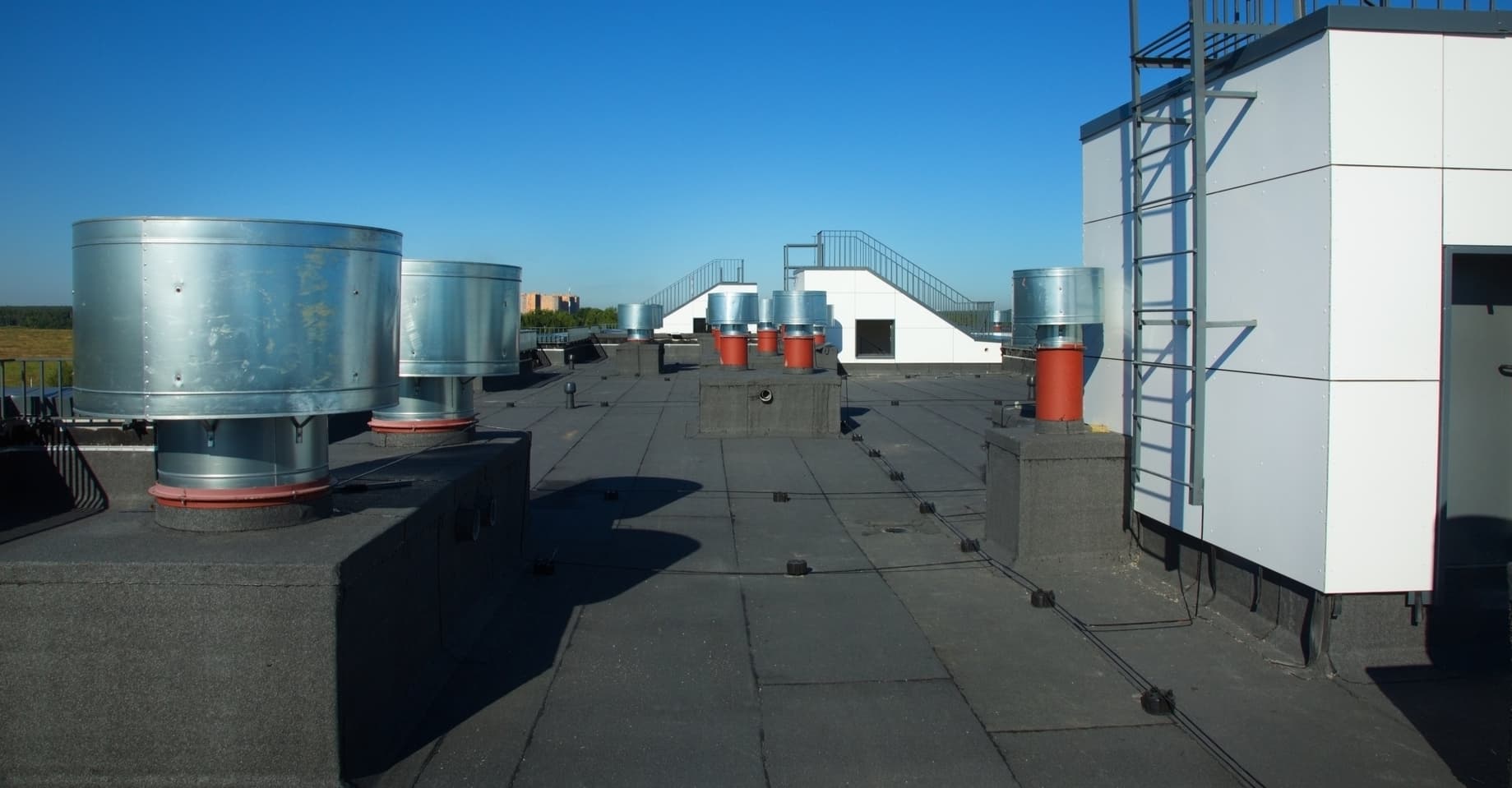
If your AC equipment sits on the roof — common on flat-roof homes and condos in Hollywood — have the curbs, straps and flashing around it inspected every year. Wind works those penetrations loose gradually, and the leak that follows always shows up somewhere expensive: usually a ceiling, sometimes an electrical panel.
Quick Self-Check Before You Call Anyone
- Does the AC run constantly from mid-afternoon until late evening?
- Are some rooms noticeably hotter than others, especially under the roofline?
- Can you see daylight or insulation blocking the soffit vents from inside the attic?
- Is your electric bill climbing year over year with no change in habits?
Two or more yeses and it's worth having both trades take a look.
Find Out What Your Roof Is Doing to Your Cooling Bill
Call Hollywood Roofing Experts at 954-416-3047 — a ventilation check is part of every free inspection, and we'll tell you honestly whether the fix is airflow, insulation, the roof itself, or none of the above.